
Moving to the Upper East Side: Essential Tips for 2026
Moving to Upper East Side New York in 2026 means entering one of Manhattan's most established residential corridors, stretching from 59th Street to 96th Street along Central Park and the East River. According to Walk Score, the neighborhood holds a Walk Score of 99 and a Transit Score of 100, reflecting outstanding daily convenience. Prewar co-ops on Park Avenue, high-rise condos on First Avenue, and townhouses off Madison Avenue create a dense yet livable urban fabric attractive to long-term residents.
What should newcomers know about the Upper East Side in 2026?
The Upper East Side spans several micro-neighborhoods, including Lenox Hill, Carnegie Hill, and Yorkville, each with distinct pricing and architecture. According to StreetEasy data through late 2025, typical asking prices for market-rate listings range broadly from the mid $700,000s for smaller co-ops to well above $5,000,000 for larger park-facing homes. Park Avenue and Fifth Avenue corridors often command premiums compared with First Avenue and York Avenue, where postwar towers and newer rentals dominate.
Most housing stock consists of co-op apartments, with condos and rental buildings concentrated closer to First Avenue and the East River Esplanade. Elevatored prewar buildings line East 79th Street, East 86th Street, and East 72nd Street, while newer glass towers rise along Second Avenue above the Q line. According to StreetEasy, co-ops represent well over half of active sales inventory, shaping board-approval timelines and down payment expectations.
Daily life centers on Central Park, Carl Schurz Park, and John Jay Park, along with commercial spines on Lexington Avenue and Third Avenue. Coffee lines form at neighborhood standbys along East 75th Street and East 88th Street before residents head to offices in Midtown or the Financial District. The neighborhood supports extensive retail along Madison Avenue, including boutiques, galleries, and cafes that benefit from visitor traffic to the Metropolitan Museum of Art and the Solomon R. Guggenheim Museum.
How much does housing cost when moving to Upper East Side New York?
Pricing on the Upper East Side varies widely by building type, line, and proximity to Central Park. Based on trends tracked by StreetEasy through 2025, smaller one-bedroom co-ops east of Third Avenue often close in a range roughly between $600,000 and $900,000, while park-adjacent two-bedroom condos can reach between roughly $2,000,000 and $3,500,000. Larger classic-six layouts in prewar Park Avenue buildings frequently command multimillion-dollar figures, especially on higher floors.
According to RentCafe data for 2025, average advertised monthly rents across the Upper East Side cluster around the mid $4,000s, with studios often in the high $2,000s and larger units surpassing $6,000. Yorkville blocks near East 92nd Street and East End Avenue may offer relatively lower rents than Central Park West-facing stock near Fifth Avenue and Museum Mile. Concessions such as one or two months free occasionally appear in large rental towers along First Avenue.
Evening streets around East 86th Street and Second Avenue carry the hum of traffic mixed with conversation from sidewalk tables near the Q train entrance. The aroma of grilled dishes from restaurants along Lexington Avenue mixes with roasted coffee from corner cafes. Lights from high-floor windows in towers near East 90th Street reflect on the East River, giving York Avenue a soft glow while residents step past grocers and wine shops toward apartment lobbies that feel sheltered from Midtown intensity.
What daily commute options define Upper East Side living?
The Upper East Side benefits from dense subway coverage relative to many Manhattan neighborhoods. According to the subway map maintained by the MTA, the 4, 5, and 6 trains run beneath Lexington Avenue with key stations at 59th Street, 68th Street, 77th Street, 86th Street, and 96th Street. The Second Avenue Subway Q line serves stations at 72nd Street, 86th Street, and 96th Street, significantly reducing travel times from York Avenue and East End Avenue blocks.
Travel from the Upper East Side to Grand Central Terminal can take as little as 10 to 15 minutes by express train, based on typical schedules cited by the MTA. Midtown offices near Bryant Park or Times Square often sit within a 20-minute ride, while commutes to the Financial District usually range between 30 and 40 minutes with a transfer downtown. Crosstown buses such as the M79 SBS and M86 SBS provide rapid access across Central Park to the Upper West Side.
Residents near Carl Schurz Park and East End Avenue frequently use the M31 and M15 buses along York Avenue and First Avenue to reach Midtown and downtown corridors. The East River Esplanade also supports cycling commutes; according to NYC DOT, protected bike lanes along First Avenue and Second Avenue connect the neighborhood to Lower Manhattan and Harlem. Many households balance subway, bus, and walking, given the neighborhood's compact grid and frequent transit service.
Which schools, parks, and culture shape the Upper East Side?
The Upper East Side hosts a concentration of public and independent schools. According to GreatSchools, P.S. 6 Lillie D. Blake on East 81st Street holds a rating of 10 out of 10, drawing strong interest for elementary enrollment. Independent schools such as Dalton School on East 89th Street, Spence School on East 91st Street, and Regis High School on East 84th Street further anchor academic demand. Hunter College and Marymount Manhattan College also maintain campuses nearby.
Afternoons in Central Park near East 72nd Street bring layered sensory detail, from the rhythmic clip of horse carriages along the loop road to the rustle of leaves by the Conservatory Water. Children race toward playgrounds by East 84th Street, while the faint scent of pretzels and roasted nuts drifts from carts along Fifth Avenue. Inside the Metropolitan Museum of Art, footsteps echo softly on stone floors as visitors study paintings under warm gallery lighting steps from stately co-ops.
Carl Schurz Park along East End Avenue and John Jay Park on East 77th Street provide East River access, dog runs, and playgrounds. According to the NYC Parks Department, Carl Schurz Park spans roughly 15 acres and includes scenic overlooks of Roosevelt Island and the Triborough Bridge. Cultural institutions along Museum Mile, including the Guggenheim Museum, Cooper Hewitt Smithsonian Design Museum, and Neue Galerie, offer year-round exhibitions within walking distance of many residential blocks.
How can newcomers plan a smooth move to the Upper East Side?
Planning a 2026 move to the Upper East Side starts with mapping target blocks against budget and transit priorities. According to rental data summarized by RentCafe, one-bedroom rents differ noticeably between corridors west of Third Avenue and those closer to the East River, sometimes by several hundred dollars per month. Prospective residents often schedule building tours along East 79th Street, East 86th Street, and East 92nd Street to compare elevator access, amenities, and noise levels.
Co-op and condo purchasers typically prepare for higher closing costs than in many suburban markets, including mansion tax thresholds at $1,000,000 and above per New York State rules, alongside building-specific transfer fees. According to guidance from the New York State Department of Taxation and Finance, the basic mansion tax rate begins at 1% and rises in tiers for properties above $2,000,000. Detailed review of house rules and financial requirements remains standard across Upper East Side co-op boards.
Residents planning deliveries often coordinate with building staff along Park Avenue, Madison Avenue, and Second Avenue to reserve freight elevators and verify certificate-of-insurance requirements for movers. Many prewar buildings impose time windows, usually restricting moves after 5 or 6 p.m. and on Sundays to limit disruption. Staging furniture storage near facilities on East 90th Street or along the FDR Drive can help bridge gaps between lease start dates and actual move-in days during busy summer months.
The Walk Score of 99 cited at the start of this guide reflects how intensely the Upper East Side concentrates daily amenities along its gridded streets. That 100 Transit Score from the opening underscores the neighborhood’s established connectivity and resilience as commuting patterns evolve through 2026. The StreetEasy Upper East Side neighborhood dashboard offers one of the clearest ongoing snapshots of inventory, pricing ranges, and days-on-market trends. Households that register listing alerts there and commit to touring suitable homes within 48 hours of activation before the late-spring surge in May typically secure stronger options and more favorable terms. Those who delay decisions beyond that seasonal inflection often face leaner choices and steeper effective costs as competition intensifies.
FROM OUR BLOG
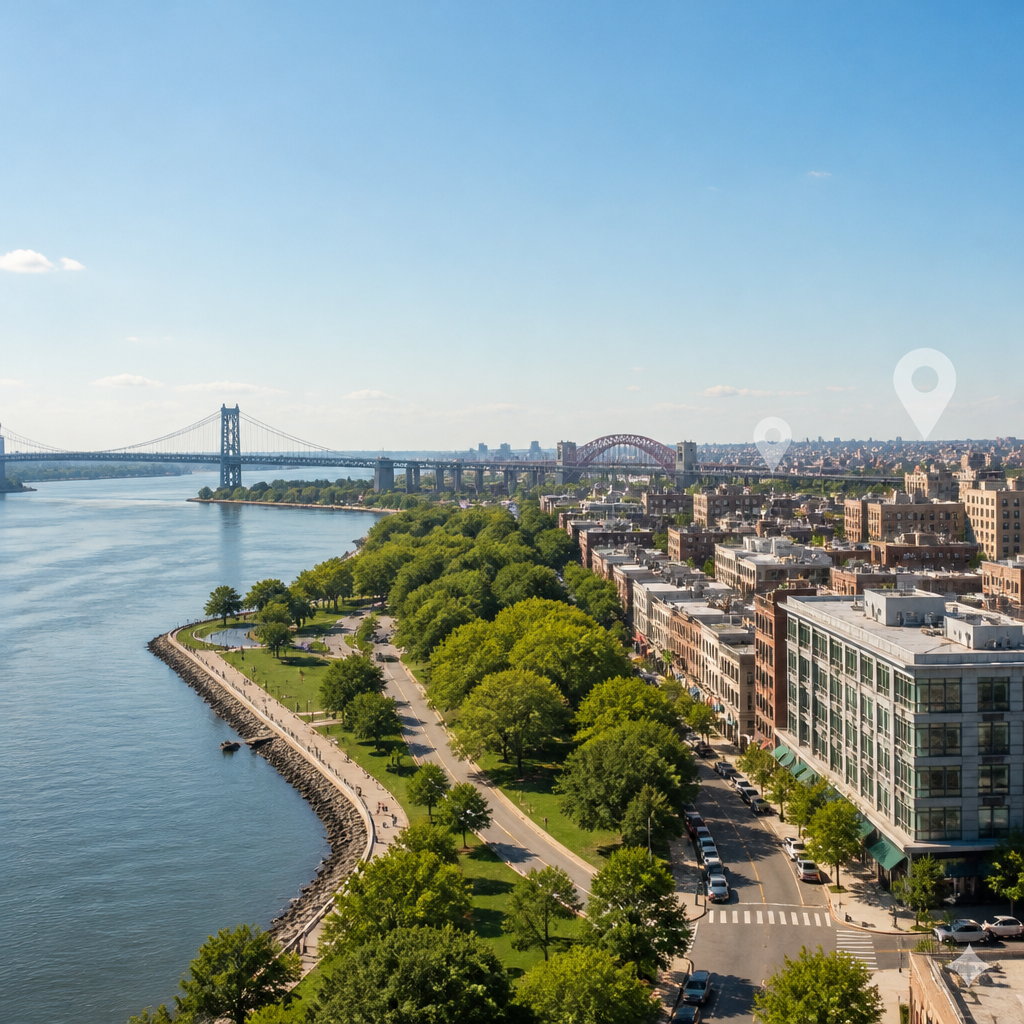
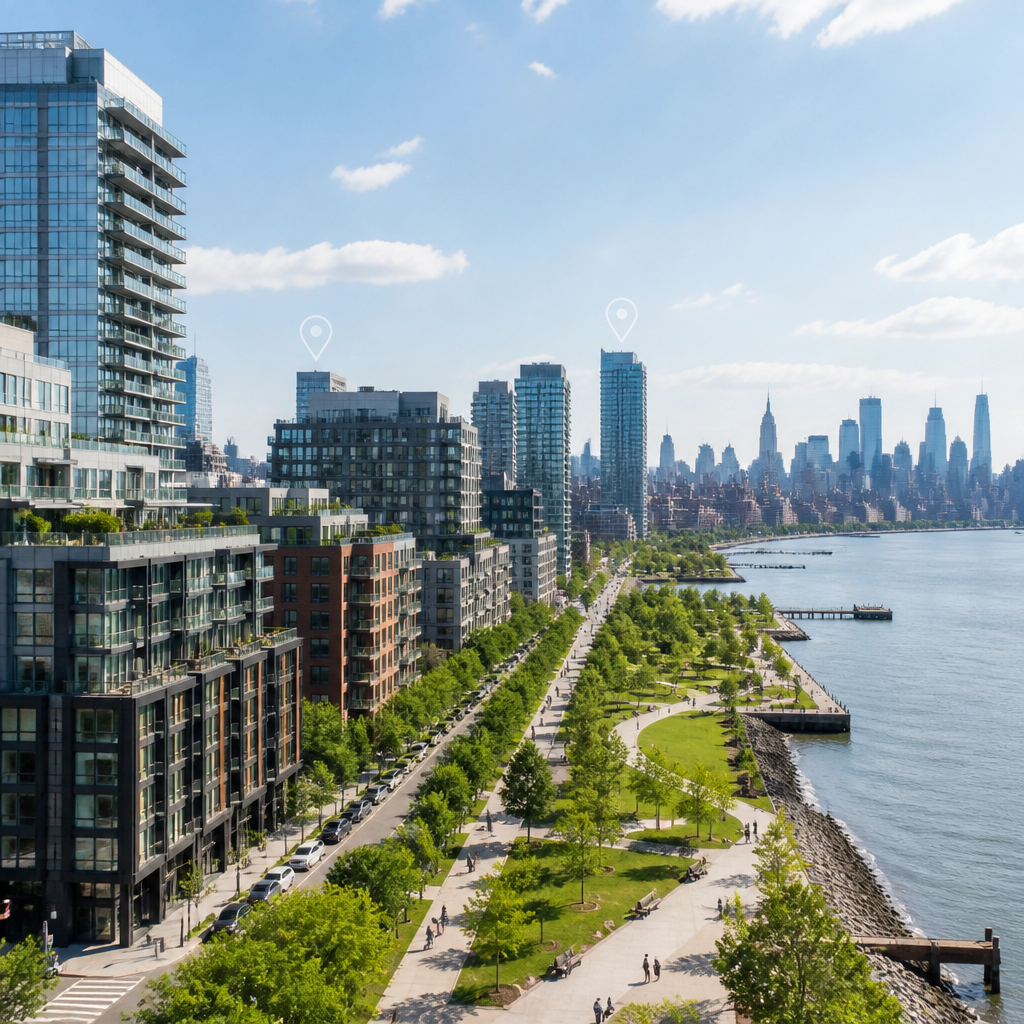
Luxury Living: Top Apartments in Williamsburg You Can't Miss
Luxury Living: Top Apartments in Williamsburg You Can't Miss Luxury apartments in Williamsburg combine resort-style amenities with fast access to Manhattan. According to Walk Score, the neighborhood holds an impressive Walk Score of 96, ranking among New York City's most walkable areas as of 2026. G
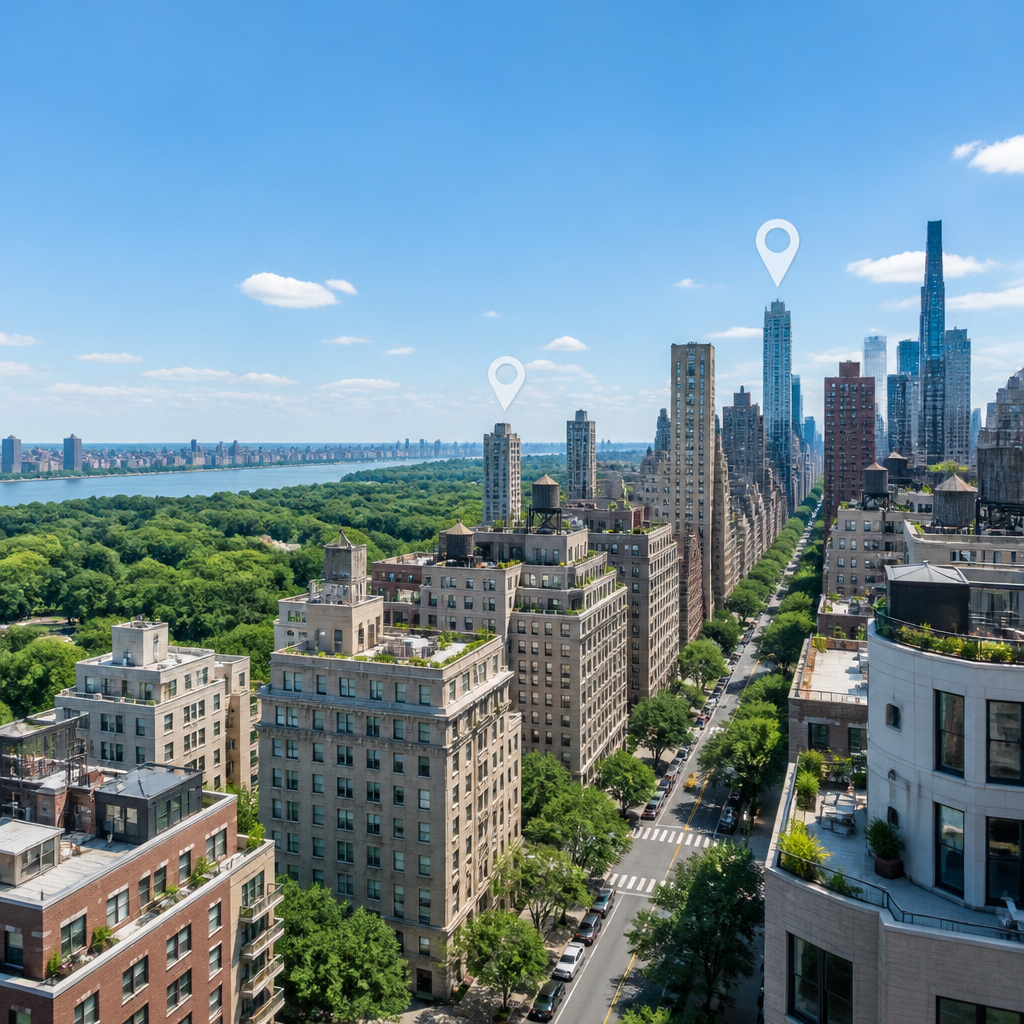
The Ultimate Guide for First-Time Homebuyers: Condos in the Upper East Side
The Ultimate Guide for First-Time Homebuyers: Condos in the Upper East Side The Upper East Side combines prewar charm, major cultural institutions, and efficient transit in a way that remains rare among Manhattan neighborhoods. According to Walk Score, the area posts a Walk Score of around 98, refle
Why Investing in Long Island City Real Estate is a Smart Move in 2026
Why Investing in Long Island City Real Estate is a Smart Move in 2026 Long Island City has shifted from an industrial edge of Queens to a prime investment corridor minutes from Midtown. According to Realtor.com, average market time for properties in Long Island City has hovered near 45 days as of la