
Long Island City new construction: What to Expect in 2026
Long Island City has transformed from an industrial waterfront into one of Queens’ most active high-rise corridors. According to NYC Department of City Planning, the neighborhood added housing units at a pace exceeding most of New York City between 2010 and 2024, contributing to a population growth rate above 30%. Entering 2026, cranes along Center Boulevard, Jackson Avenue, and Queens Plaza signal another wave of Long Island City new construction that will reshape inventory, amenities, and skyline views.
How is Long Island City’s skyline expected to change by 2026?
New towers rising around Court Square and Queensboro Plaza will extend Long Island City’s glass-and-steel profile further inland. Residential high-rises along Jackson Avenue and 44th Drive are planned to bring thousands of additional units, diversifying the mix of studios, one-bedrooms, and family-sized layouts. According to NYC Department of Buildings filings reviewed through early 2025, active large-scale residential permits in ZIP codes 11101 and 11109 total well over a few thousand units, reinforcing the neighborhood’s reputation as a vertical growth hub.
Waterfront development near Gantry Plaza State Park and Hunters Point South Park will continue to emphasize skyline and river views. Projects along Center Boulevard are expected to prioritize expansive window lines, higher ceilings, and rooftop terraces, responding to demand for natural light and outdoor space. Based on data from StreetEasy through late 2025, listings advertising direct Manhattan views in Long Island City often command premiums in the range of 10% to 18% compared with interior-facing homes in similar buildings.
Commercial towers around Queens Plaza and Dutch Kills Green will add offices, hotels, and retail podiums, creating a denser mixed-use skyline. According to Long Island City Partnership, the local business district hosts more than 6,000 companies, with additional office square footage under construction. As these towers open through 2026, the skyline will display a clearer balance between residential spires near the East River and commercial massing clustered around major transit nodes.
Evening walks along Vernon Boulevard already offer a preview of this future skyline. Glass towers shimmer above Gantry Plaza State Park while the soft rustle of the East River mingles with the distant rumble of the 7 train heading toward Queensboro Plaza. Restaurant patios near MoMA PS1 fill the air with the aroma of grilled seafood and espresso, and the glow from Center Boulevard high-rises reflects across the water, outlining every balcony and terrace against the deep blue of the Manhattan horizon.
What types of Long Island City new construction buildings will dominate in 2026?
Rental towers will remain a core feature of Long Island City new construction, particularly near Queensboro Plaza, Ravenswood, and Queensbridge Park. According to market summaries from Zillow as of early 2025, newly delivered Long Island City rentals typically price one-bedrooms in broad ranges between $3,200 and $4,200 per month, depending on finishes and amenities. Numerous projects include ground-floor retail, integrating cafes, pharmacies, and grocers into tower bases along 21st Street and 44th Drive.
Condominium construction is expected to cluster near the waterfront and prime transit hubs. Boutique condo buildings around Court Square, Murray Park, and Jackson Avenue often feature fewer than 100 units, with a focus on larger layouts and curated amenities. Based on current listing data from Redfin through Q4 2025, many newly built Long Island City condos trade in a broad band between $900,000 and $1,600,000, while penthouses with terrace space and direct skyline exposure can reach or exceed $2.4M.
Hybrid mixed-use buildings will play a growing role by 2026, especially near LaGuardia Community College and the elevated tracks around Queensboro Plaza. These projects often blend residential units with creative office floors, food halls, and community facilities. The JACX complex and surrounding blocks demonstrate how integrated office and retail space can support daytime foot traffic. According to Long Island City Partnership, more than 25% of the neighborhood’s workforce is employed in creative or tech-adjacent industries, encouraging developers to incorporate flexible workspace and production studios into new designs.
Several projects are expected to emphasize sustainable features, such as high-performance facades and all-electric mechanical systems. Energy benchmarking data referenced by NYC climate initiatives suggests that recently built multifamily properties can reduce operational emissions by ranges near 20% to 30% compared with pre-war stock. As Local Law 97 compliance deadlines approach, Long Island City new construction will increasingly integrate green roofs, efficient HVAC, and EV-ready parking to future-proof building operations.
How will transit access and commuting patterns influence 2026 projects?
Transit remains Long Island City’s defining infrastructure advantage. The 7, E, M, G, N, and W lines converge at nodes including Queensboro Plaza, Court Square, and Queens Plaza, placing Midtown Manhattan typically within 5 to 15 minutes by train. According to MTA system maps and ridership reports, stations in Long Island City collectively process tens of thousands of entries on weekdays, supporting dense residential development without overwhelming local streets with car traffic.
Developers are tailoring new construction designs around this network. Buildings near Court Square often highlight direct access to multiple subway lines as a primary amenity, sometimes integrating indoor bike storage for commuters crossing the Queensboro Bridge. Rental towers along Jackson Avenue and Thomson Avenue benefit from proximity to LaGuardia Community College and the Long Island Expressway. Market observations compiled by StreetEasy show that listings within a quarter-mile of two or more subway lines in Long Island City often command rent premiums near 8% to 12%.
Morning rush around Court Square creates a distinct sensory picture of transit-driven living. Steam rises from coffee carts on Jackson Avenue as the scent of roasted beans and toasted bagels drifts toward the station entrances. The metallic screech of trains pulling into the elevated platforms above Queensboro Plaza mixes with snippets of conversation in multiple languages. Office workers stream toward the JACX plaza, passing street trees along Crescent Street that rustle in the wind, softening the hard edges of glass curtain walls overhead.
Planned pedestrian and bike improvements will further influence development choices. The Queensboro Bridge bike lane and East River ferry stops at Hunters Point South and Gantry Plaza provide alternatives to subway commuting. According to NYC Ferry route data, rides from Hunters Point South to East 34th Street typically take around 8 minutes, while trips to Wall Street average roughly 32 minutes. Buildings marketing quick multi-modal access are likely to attract both residents and employers seeking flexible commuting options.
What amenities and neighborhood services will accompany new construction?
As towers multiply, Long Island City’s ground-level experience continues to diversify. Restaurant clusters along Vernon Boulevard, Jackson Avenue, and 11th Street bring cuisines ranging from wood-fired pizza to Korean barbecue. The arrival of supermarkets such as Trader Joe’s on Jackson Avenue and large-format retailers near the Queensboro Bridge complements independent grocers along 21st Street. According to neighborhood retail counts compiled by Long Island City Partnership, food and beverage businesses now represent more than 20% of active storefronts, a share expected to rise as additional spaces open beneath new towers.
Public and recreational amenities have expanded in parallel. Gantry Plaza State Park and Hunters Point South Park anchor the waterfront, offering playgrounds, athletic fields, and dog runs. Murray Park, Queensbridge Park, and Dutch Kills Green provide interior green spaces away from the shoreline. Cultural institutions such as MoMA PS1, Culture Lab LIC at Plaxall Gallery, and nearby Noguchi Museum along Vernon Boulevard contribute exhibition space and performances. Together, these amenities create a live-work-play environment that supports high-density residential development.
Education and childcare options are improving as families increasingly choose high-rise living. P.S./I.S. 78 near Center Boulevard, P.S. 384 Hunters Point, and Academy for Careers in Television and Film along 36th Street are frequently cited in school searches. According to ratings on GreatSchools reviewed in late 2025, several Long Island City public schools hold scores in ranges between 7 and 9 out of 10, supporting demand for two- and three-bedroom units in new buildings.
Developers are also investing in indoor amenity suites to differentiate properties. Common features include coworking lounges, children’s playrooms, soundproof music studios, and landscaped roof decks with outdoor kitchens. Fitness centers with dedicated spin rooms and lap pools are becoming standard in larger projects along Center Boulevard and 44th Drive. As competition intensifies, some Long Island City new construction complexes are experimenting with resident-only shuttle services, curated art programs in lobbies, and pet spas, targeting renters and buyers seeking hotel-style services integrated into daily life.
How might pricing, taxes, and incentives shape Long Island City new construction in 2026?
Pricing in Long Island City remains highly building-specific, with view corridors, amenity levels, and transit proximity driving wide spreads. According to condo and co-op records on Douglas Elliman through early 2026, recently built condos in the neighborhood often close within ranges of roughly $1,100 to $1,700 per square foot, while select riverfront lines can extend beyond those bands. Rental concessions, such as one or two months of free rent on a 12- or 24-month lease, appear intermittently as new towers compete for lease-up velocity.
Property taxes and potential abatements remain central to Long Island City new construction economics. Some older projects still carry phased 421-a or similar benefits, while many forthcoming buildings must operate without those programs. Data from NYC Department of Finance show that effective tax bills for newer condos in Queens can vary widely, frequently ranging between 0.6% and 1.2% of assessed market value annually. This variability encourages careful analysis of offering plans, projected taxes, and any applicable incentive structures.
Lending standards and interest rate trends will influence demand for both rentals and condos. As of Q1 2026, national mortgage surveys referenced by Freddie Mac indicate that 30-year fixed mortgage rates generally float between roughly 6% and 7%, shaping monthly ownership costs relative to renting. For investors, projected rent growth and vacancy assumptions in Long Island City must be weighed against these financing conditions. Buildings near transit-rich corridors such as Queensboro Plaza and Court Square are often modeled with lower structural vacancy assumptions, reflecting sustained demand for quick access to Midtown Manhattan.
The 30% population growth figure cited at the start of this guide reflects structural demand that underpins Long Island City new construction through 2026 and beyond. That same expansion underscores how each delivered tower both relieves and reinforces pressure on limited view corridors, amenities, and school capacity. The Long Island City Partnership neighborhood updates page provides one of the clearest recurring snapshots of new projects, rezoning proposals, and infrastructure investments. Buyers and renters who monitor those updates closely and register listing alerts before the spring leasing surge, then commit to touring high-interest properties within 24 to 48 hours of launch, generally secure stronger negotiating positions and avoid the steeper pricing often seen after peak-season competition intensifies.
FROM OUR BLOG
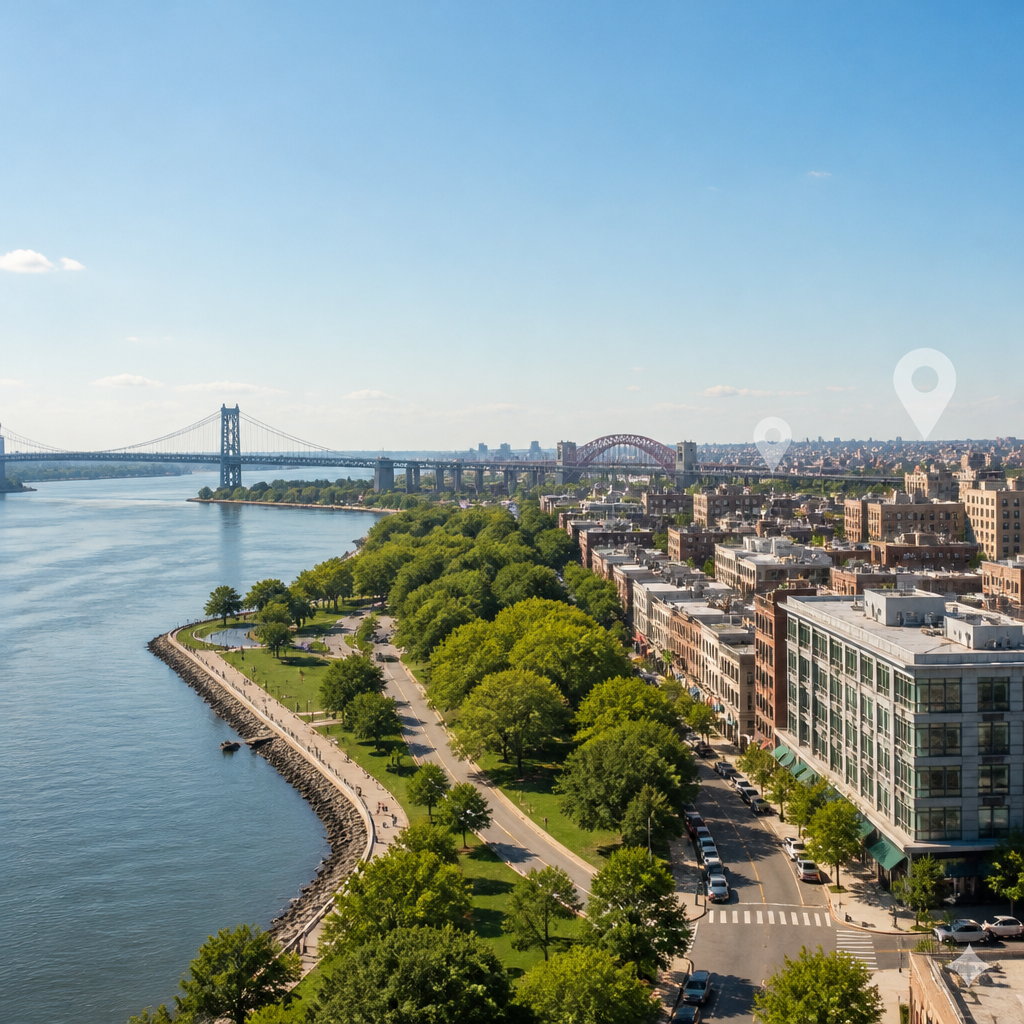
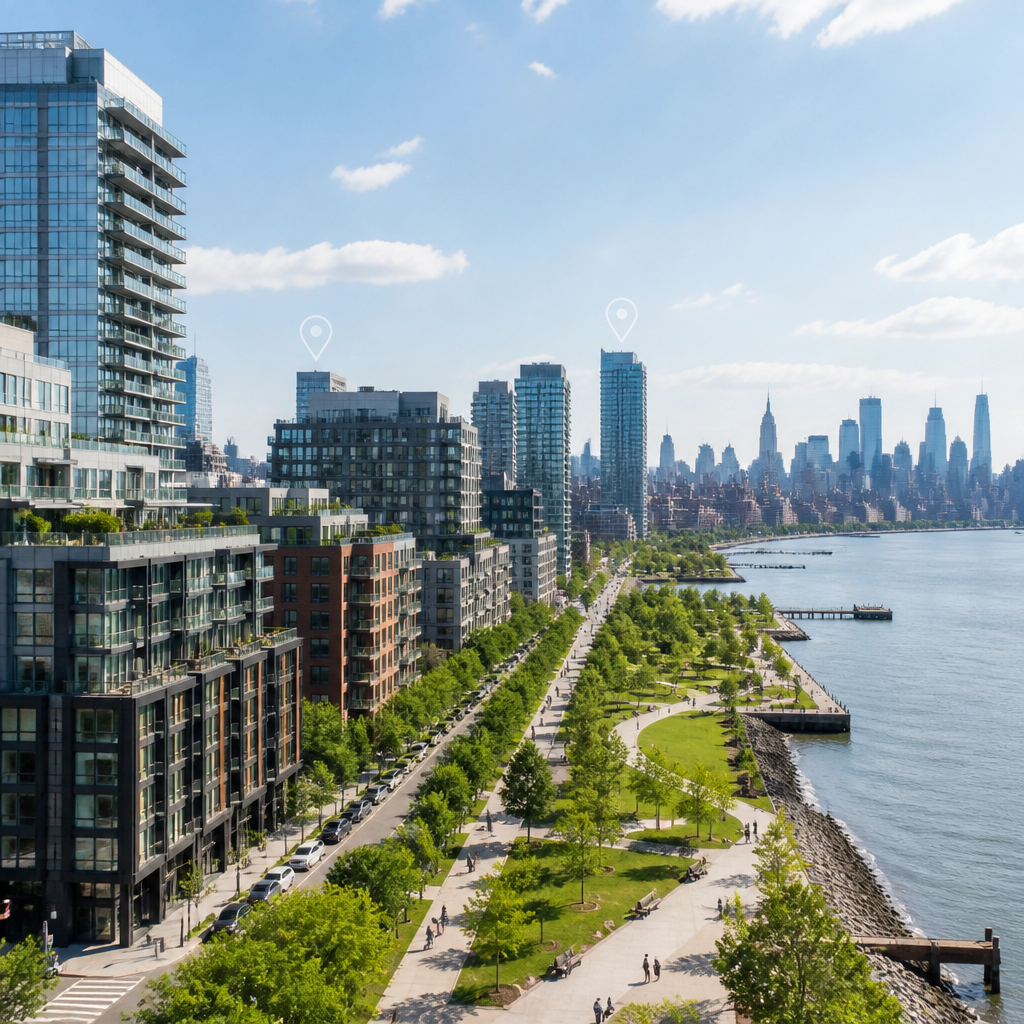
Luxury Living: Top Apartments in Williamsburg You Can't Miss
Luxury Living: Top Apartments in Williamsburg You Can't Miss Luxury apartments in Williamsburg combine resort-style amenities with fast access to Manhattan. According to Walk Score, the neighborhood holds an impressive Walk Score of 96, ranking among New York City's most walkable areas as of 2026. G
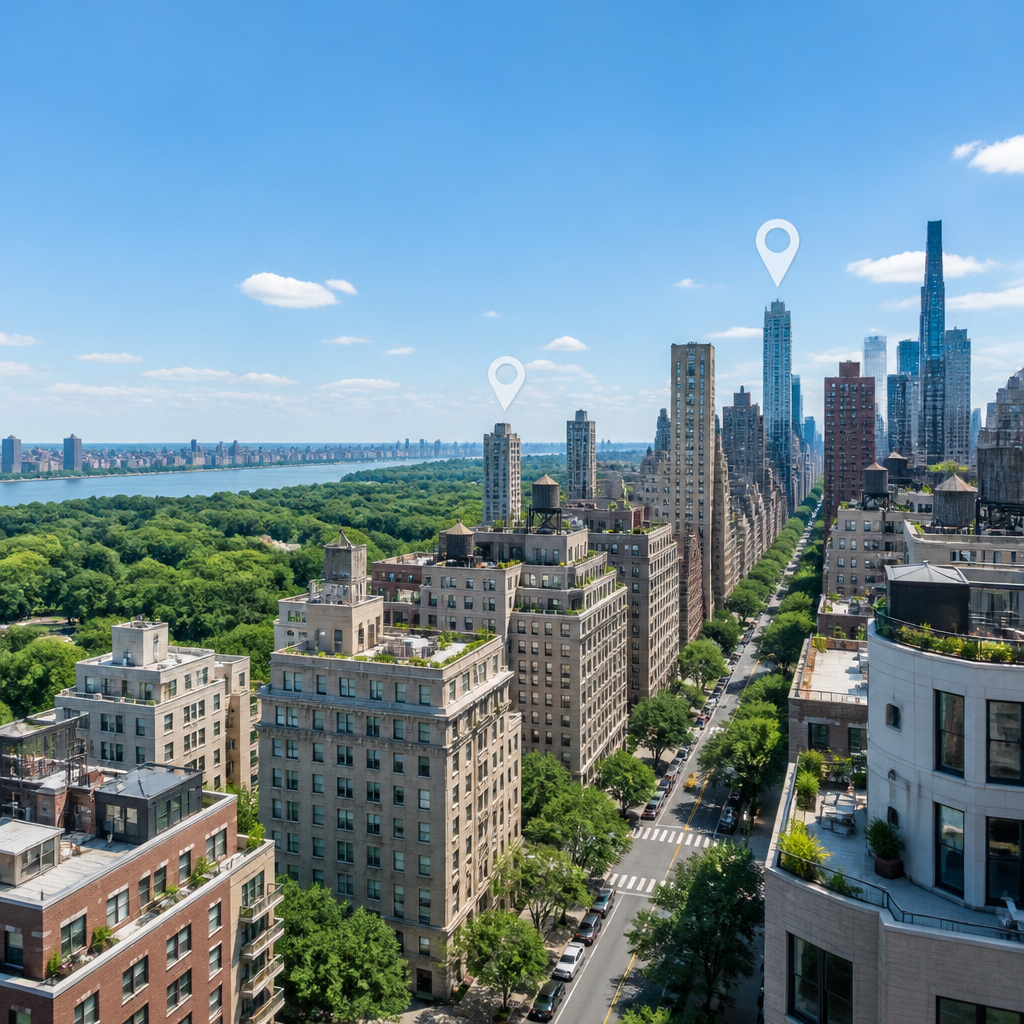
The Ultimate Guide for First-Time Homebuyers: Condos in the Upper East Side
The Ultimate Guide for First-Time Homebuyers: Condos in the Upper East Side The Upper East Side combines prewar charm, major cultural institutions, and efficient transit in a way that remains rare among Manhattan neighborhoods. According to Walk Score, the area posts a Walk Score of around 98, refle
Why Investing in Long Island City Real Estate is a Smart Move in 2026
Why Investing in Long Island City Real Estate is a Smart Move in 2026 Long Island City has shifted from an industrial edge of Queens to a prime investment corridor minutes from Midtown. According to Realtor.com, average market time for properties in Long Island City has hovered near 45 days as of la